796 views
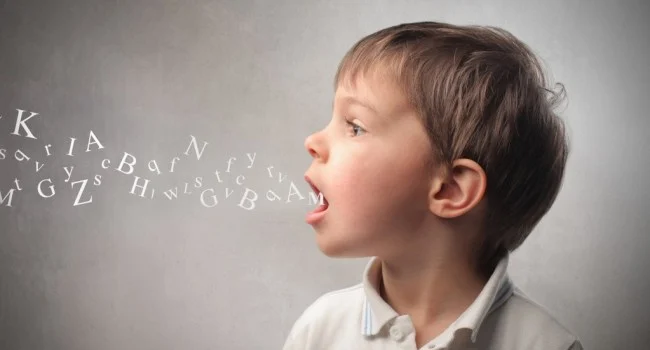
The way children speak about stressful experiences may help identify those at risk of developing mental health disorders years before symptoms appear, according to a study published in Nature Mental Health.
Researchers from Stanford University analyzed recorded interviews with more than 200 children aged 9 to 13 using four natural language processing (NLP) models. The AI-based tools accurately predicted which children would develop mental health conditions up to six years later.
The findings showed that how children spoke was a stronger predictor than what they said. In particular, the models focused on linguistic style, including sentence structure and the use of common connecting words such as "and," "to," and "but," rather than the specific details of stressful events.
The researchers believe these results demonstrate the potential for developing scalable, low-cost tools capable of identifying children at increased risk before they receive a clinical diagnosis.
Adolescence is the period when depression and anxiety most commonly emerge, yet predicting which children are likely to develop these disorders has remained challenging. Existing assessment methods often rely on clinical evaluations or biological markers, such as cortisol levels, stress responses or telomere length, which are more expensive and difficult to use on a large scale.
By contrast, speech analysis could provide an accessible alternative. According to the researchers, analyzing children's language may ultimately prove to be an even stronger predictor of future mental health problems than some currently used biological indicators.
The interviews analyzed in the study were originally collected as part of a long-term Stanford project investigating how early-life stress affects brain development and mental health. Each interview lasted about 90 minutes and included discussions about stressful life events.
The researchers found that while linguistic style offered the strongest predictive value, the content of children's responses also provided important clues. Descriptions of severe physical violence or intense social exclusion were associated with a higher risk of future mental health disorders. In contrast, references to supportive relationships, participation in sports or school clubs, and receiving mental health care were linked to greater resilience.
The team plans to validate the findings in larger groups of children. If confirmed, the approach could eventually allow researchers and clinicians to analyze simple smartphone recordings of children's speech to identify those at increased risk years before mental health disorders become clinically apparent.




 AM
AM EN
EN RU
RU